ה-7 באוקטובר 2023 שינה את ישראל. בתוך שעות, מאות אלפי אזרחים עזבו את בתיהם — מישובי עוטף עזה, מקיבוצים שנפגעו, מערים בדרום שספגו מתקפות רקטות. משפחות שלמות נאלצו להתחיל מאפס, במלונות, בפנימיות, או אצל קרובי משפחה. והילדים — הילדים סבלו הכי הרבה.
הדלת נפתחת
כמה ימים אחרי ה-7 באוקטובר, צוות משעולים התכנס לישיבת חירום. ההחלטה הייתה מיידית ואחידה: פותחים את השערים. לא מחכים לתקציבים, לא מחכים לאישורים, לא מחכים שמישהו יגיד מה לעשות. פשוט פותחים.
תוך ימים, ההזמנה הופצה דרך רשתות חברתיות, דרך רשויות מקומיות, דרך אנשי חינוך. משפחות מפונות מהדרום — מעוטף עזה, משדרות, מנתיבות, מאופקים — הוזמנו להגיע למרכז תלמים לפעילות חינם, ללא מחויבות, ללא רישום מסובך.
הפגישות הראשונות
המשפחות הראשונות הגיעו בתחילת נובמבר. מאמא צעירה עם שלושה ילדים שלא ישנו מאז הם עזבו את ביתם בכפר עזה. אבא שניסה להסתיר רעד ביד כשהושיט אותה לקראת הסוס. ילדה בת שש שלא דיברה כמעט מאז אותו שבת.
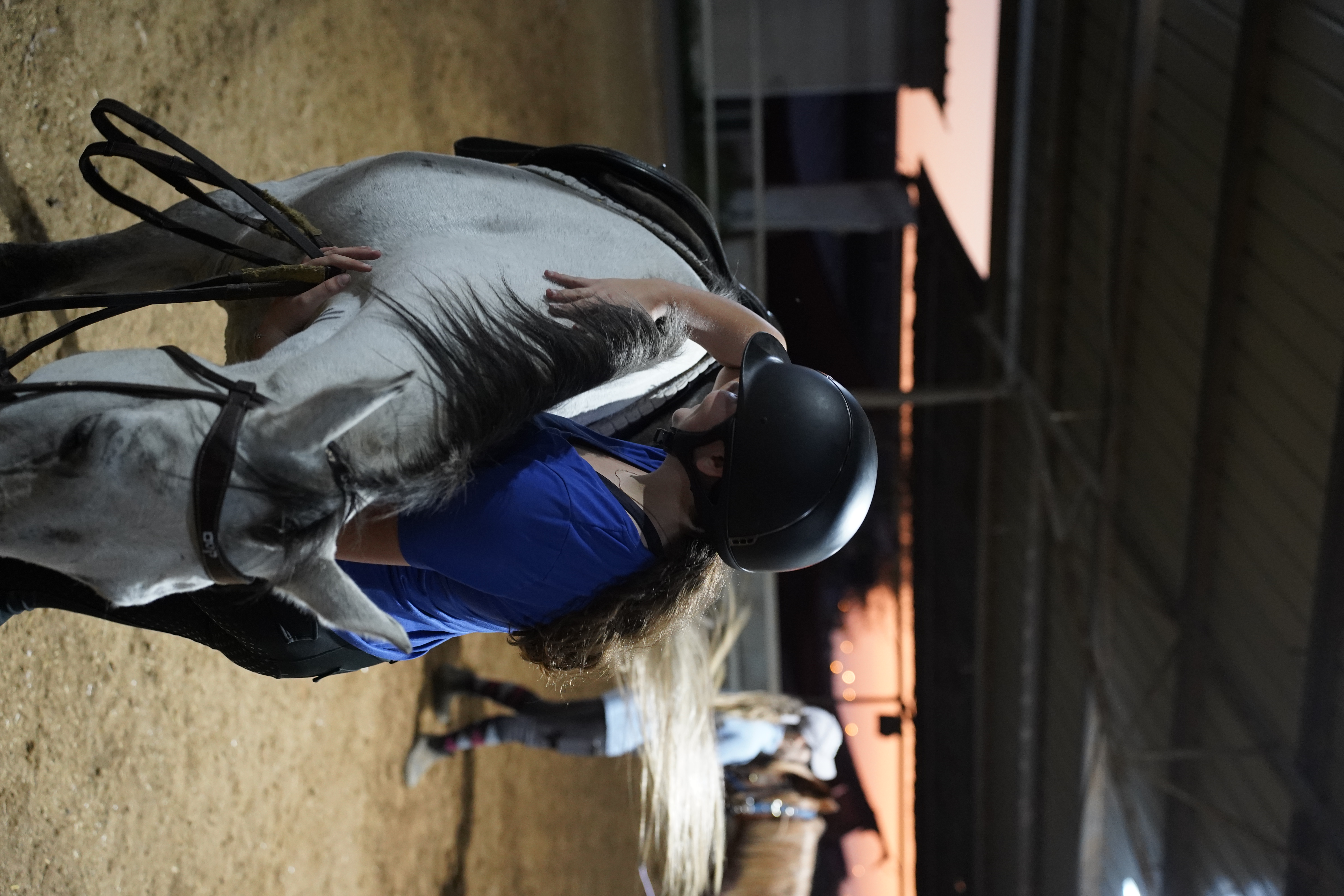
הצוות לא ניסה לעשות ״טיפול״ במובן הפורמלי. הם פשוט הציעו חוויה: לגעת בסוס, להברגיש את החום שלו, להאכיל ארנבת, לשבת על הדשא ליד הכלבים. לפעמים, הדבר הטיפולי ביותר הוא פשוט להיות במקום בטוח, ירוק ושקט.
״הילדה הזו לא דיברה שלושה שבועות. ביום השני שהגיעה לחווה, היא ישבה ליד סוס בשם ג׳ינג׳י ולחשה לו משהו. שאלתי את אמא מה היא אמרה. אמא בכתה ואמרה: ׳היא אמרה לו שהיא מפחדת.׳ זה היה הדבר הראשון שהיא אמרה מאז ה-7 באוקטובר.״
קבוצת הורים-ילדים שבועית
מהפגישות הראשונות הספונטניות צמחה תוכנית מסודרת. כל שבוע, קבוצה של הורים וילדים מפונים הגיעה למרכז תלמים לפעילות קבועה. המפגשים כללו רכיבה על סוסים, פעילות עם כלבים, מפגשים עם חיות בר, וזמן חופשי בטבע.
התוכנית לא הייתה רק לילדים. ההורים קיבלו גם הם מרחב — לדבר עם הורים אחרים שעוברים את אותו דבר, לנשום, לראות את הילדים שלהם מחייכים שוב. ״לפעמים ההורים היו צריכים את זה יותר מהילדים,״ מספרת אחת המדריכות.
מפונים מהצפון מצטרפים
עם הסלמת הלחימה בצפון בחורף 2023-2024, גל חדש של מפונים הגיע למרכז הארץ. משפחות מקריית שמונה, ממטולה, מקיבוצי הגבול — גם הן הוזמנו למשעולים. הקבוצה גדלה, וקיבוץ מגל הפך למקום מפגש של משפחות מכל רחבי הארץ.
הילדים מהדרום ומהצפון פגשו אחד את השני. ילדים שעברו חוויות שונות אבל חלקו את אותו כאב. והסוסים לא שאלו מאיפה הם — הם פשוט קיבלו.
הכל בהתנדבות
מה שהפך את התוכנית למיוחדת במיוחד הוא שכולה התנהלה בהתנדבות. הצוות של משעולים — מדריכים, מטפלים, מתנדבים — עבדו שעות ארוכות מעבר למשרתם הרגילה כדי לאפשר את הפעילות. תרומות הגיעו מהקהילה — מזון לסוסים, ציוד, כסף להובלת משפחות.
״לא ביקשנו שום דבר מהמשפחות,״ מסבירה מנהלת התוכנית. ״הם כבר נתנו מספיק. הם נתנו את הבית שלהם, את הביטחון שלהם, את השגרה שלהם. מה שאנחנו יכולים לתת זה קצת שלווה, קצת חום, וסוס שמחכה להם כל יום שלישי.״
ההשפעה לטווח ארוך
חודשים עברו, וחלק מהמשפחות חזרו הביתה. אחרות עדיין מפונות. אבל הקשר עם משעולים נשמר. ילדים שהתחילו לבוא כמפונים ממשיכים להגיע — כעת כמשתתפים קבועים בתוכניות הטיפול.
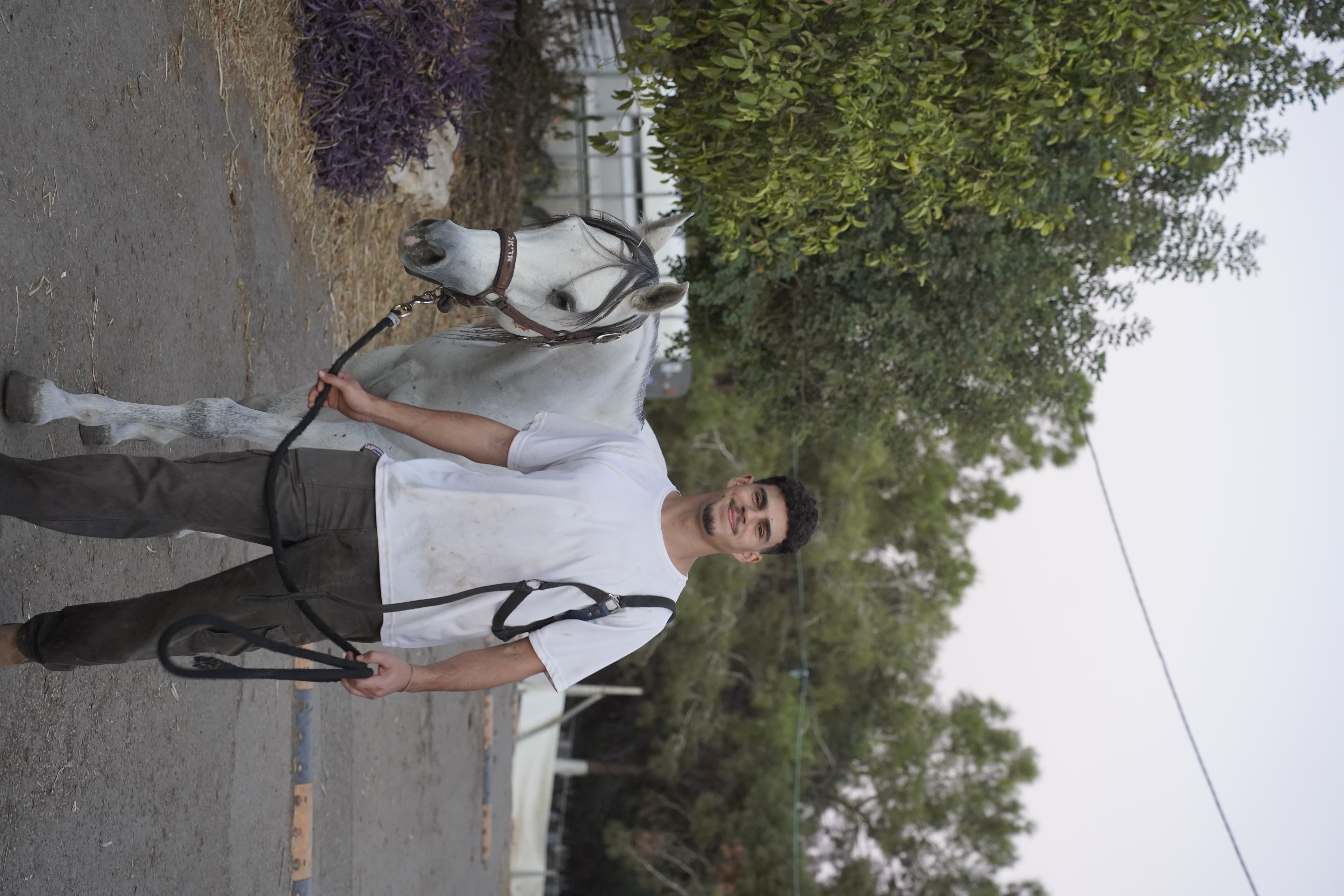
ילד בן שמונה שהגיע מנתיבות, שתוק ומבוהל, הפך לאחד הרוכבים המומחים. הוא מכיר כל סוס בשם, יודע לאכוף ולהביר, ועוזר לילדים חדשים שמגיעים. ״הסוסים הצילו אותי,״ הוא אמר פעם למדריך שלו. ״הם היו הדבר הראשון שגרם לי לרצות לקום בבוקר.״
תוכנית חרבות ברזל של משעולים ממשיכה לפעול. כל עוד יש ילדים שצריכים מקום בטוח, כל עוד יש משפחות שמחפשות נקודת אור — השערים יישארו פתוחים.
October 7, 2023 changed Israel. Within hours, hundreds of thousands of citizens left their homes — from the Gaza border communities, from kibbutzim that were attacked, from southern cities hit by rocket barrages. Entire families were forced to start from zero, in hotels, boarding schools, or with relatives. And the children — the children suffered the most.
The Door Opens
A few days after October 7, the Misholim team gathered for an emergency meeting. The decision was immediate and unanimous: open the gates. Don't wait for budgets, don't wait for approvals, don't wait for someone to say what to do. Just open.
Within days, the invitation spread through social networks, local authorities, and educators. Evacuated families from the south — from the Gaza border, Sderot, Netivot, Ofakim — were invited to come to the Tlamim Center for free activities, no commitment, no complicated registration.
The First Meetings
The first families arrived in early November. A young mother with three children who hadn't slept since leaving their home in Kfar Aza. A father trying to hide the tremor in his hand as he reached toward the horse. A six-year-old girl who had barely spoken since that Saturday.
The staff didn't try to do "therapy" in the formal sense. They simply offered an experience: touch a horse, feel its warmth, feed a rabbit, sit on the grass near the dogs. Sometimes, the most therapeutic thing is simply being in a safe, green, quiet place.
"This girl hadn't spoken for three weeks. On her second day at the farm, she sat next to a horse named Gingi and whispered something to him. I asked her mother what she said. Her mother cried and said: 'She told him she's scared.' That was the first thing she'd said since October 7."
The Weekly Parent-Child Group
From those first spontaneous meetings, a structured program grew. Every week, a group of evacuated parents and children came to the Tlamim Center for regular activities. Sessions included horseback riding, dog activities, wildlife encounters, and free time in nature.
The program wasn't just for children. Parents also received space — to talk with other parents going through the same thing, to breathe, to see their children smiling again. "Sometimes the parents needed it more than the kids," says one of the instructors.
Northern Evacuees Join
As fighting escalated in the north during winter 2023-2024, a new wave of evacuees arrived in central Israel. Families from Kiryat Shmona, Metula, and border kibbutzim were also invited to Misholim. The group grew, and Kibbutz Meghal became a meeting place for families from across the country.
Children from the south and north met each other. Kids who went through different experiences but shared the same pain. And the horses didn't ask where they were from — they simply accepted.
All Volunteer-Run
What made the program especially remarkable was that it ran entirely on volunteer power. The Misholim team — instructors, therapists, volunteers — worked long hours beyond their regular jobs to enable the activities. Donations came from the community — food for the horses, equipment, money to transport families.
"We didn't ask anything from the families," explains the program director. "They've already given enough. They gave their homes, their security, their routine. What we can give is a bit of peace, a bit of warmth, and a horse that waits for them every Tuesday."
The Long-Term Impact
Months passed, and some families returned home. Others are still displaced. But the connection with Misholim endures. Children who first came as evacuees continue to attend — now as regular participants in the therapy programs.
An eight-year-old boy who arrived from Netivot, silent and frightened, has become one of the expert riders. He knows every horse by name, can saddle and bridle by himself, and helps new children who arrive. "The horses saved me," he once told his instructor. "They were the first thing that made me want to get up in the morning."
Misholim's Iron Swords program continues to operate. As long as there are children who need a safe place, as long as there are families searching for a point of light — the gates will remain open.
עזרו לנו להמשיךHelp Us Continue
התוכנית פועלת בהתנדבות ומתבססת על תרומות. כל תרומה עוזרת לנו לשמור את השערים פתוחיםThe program runs on volunteers and relies on donations. Every contribution helps us keep the gates open
לתרומהDonate