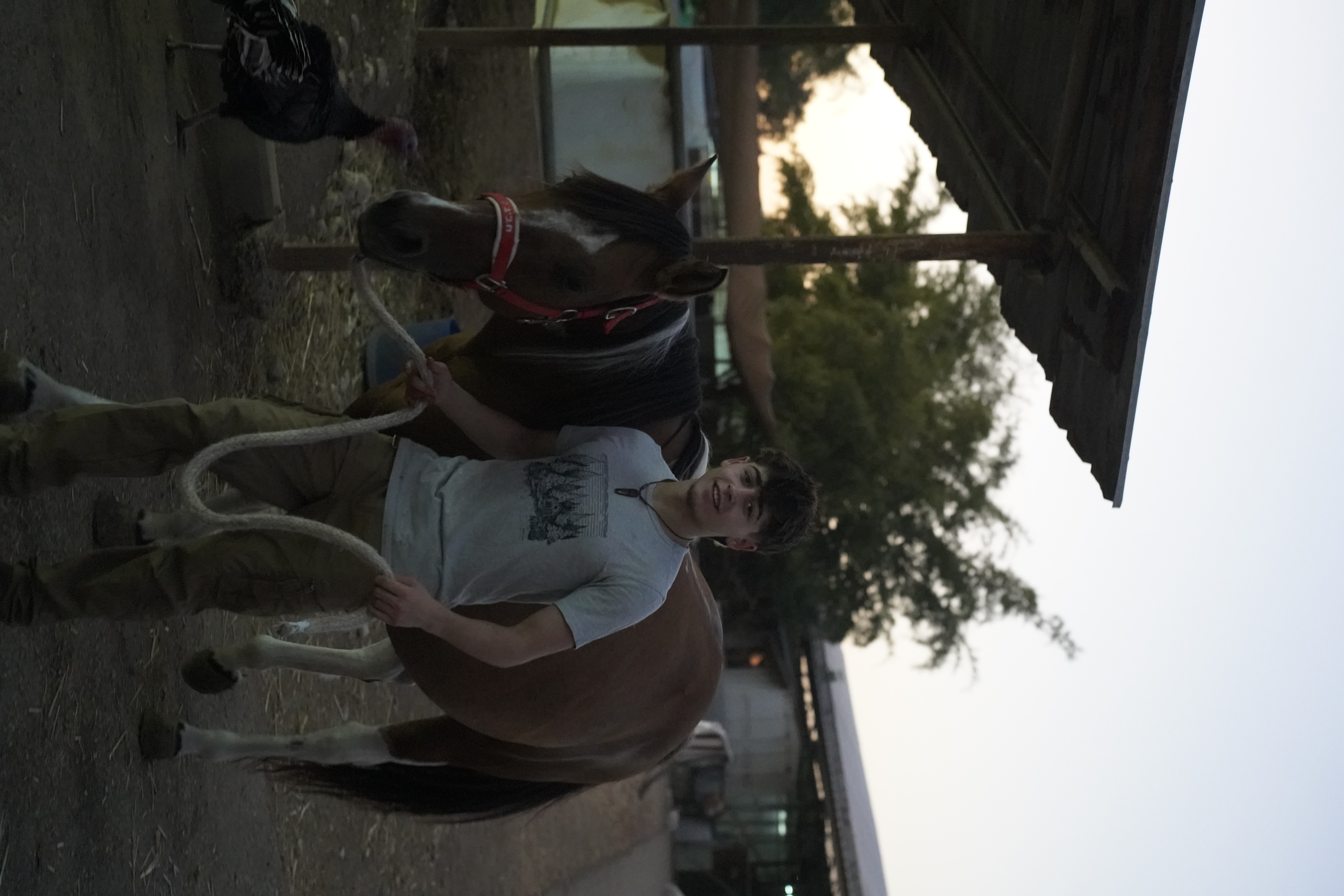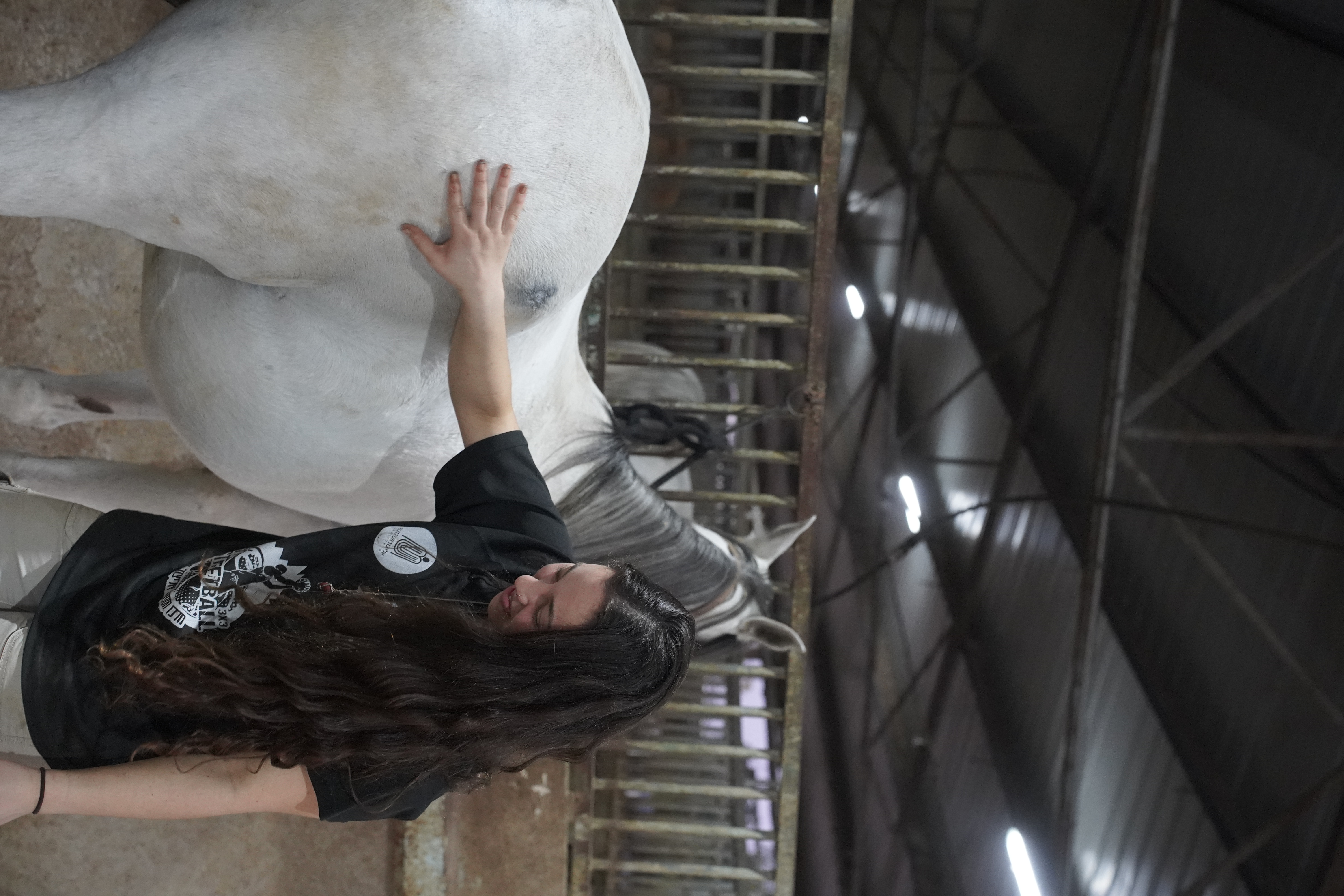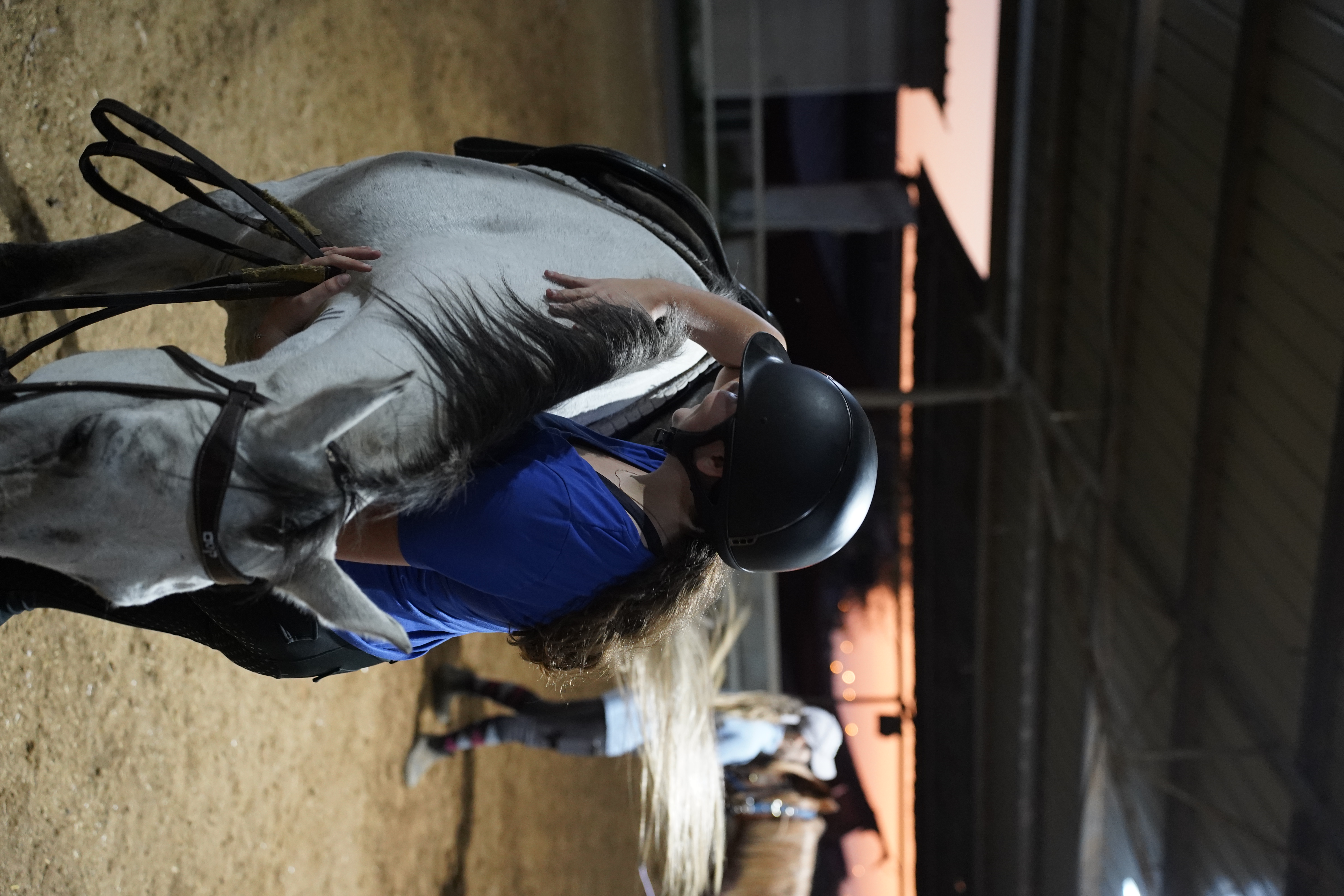
כשילד עם שיתוק מוחין עולה על גבו של סוס, קורה משהו מדהים. הגוף שמתקשה ללכת על הקרקע מתחיל לנוע בצורה חדשה. שרירים שהיו נוקשים נרגעים. עמוד השדרה, שנאבק בכוח המשיכה כל יום, מוצא פתאום שיווי משקל חדש. זו לא קסם — זו רכיבה טיפולית.
מה זו רכיבה טיפולית?
רכיבה טיפולית היא שיטת טיפול מוכרת ומבוססת-מחקר, שבה הסוס משמש ככלי טיפולי מרכזי. בשונה מרכיבה ספורטיבית או פנאי, רכיבה טיפולית מתוכננת ומונחית על ידי מטפלים מוסמכים — פיזיותרפיסטים, מרפאים בעיסוק, פסיכולוגים ומדריכי רכיבה טיפולית — שמתאימים כל פעילות למטופל ולצרכיו הייחודיים.
הטיפול אינו רק ״לשבת על סוס ולרכב״. הוא כולל מגוון פעילויות על גבי הסוס ולצדו: תרגילים פיזיים, משחקים, אינטראקציה עם הסוס, וטיפוח שלו. כל אחת מהפעילויות מכוונת למטרה טיפולית ספציפית.
המדע שמאחורי הצעד: יתרונות פיזיולוגיים
הגילוי המדעי המרכזי שעומד בבסיס הרכיבה הטיפולית הוא פשוט ומרתק: צעדי הסוס מחקים את דפוס ההליכה האנושית. כשהסוס צועד, הוא יוצר תנועה תלת-ממדית — קדימה ואחורה, מצד לצד, ומעלה ומטה — שזהה כמעט לחלוטין לתנועת האגן של אדם הולך.
עבור מי שמתקשה ללכת, החוויה הזו היא מהפכנית. הגוף מקבל גירויים של הליכה בלי שצריך לעמוד על הרגליים. התוצאות מוכחות מחקרית:
- שיפור שיווי המשקל: התנועה המתמדת של הסוס מאלצת את הרוכב להתאים את עצמו כל הזמן, מה שמחזק את מערכת שיווי המשקל.
- חיזוק שרירי הליבה: הישיבה על הסוס דורשת הפעלה מתמדת של שרירי הבטן, הגב והאגן — שרירים קריטיים ליציבה ולתפקוד יומיומי.
- שיפור קואורדינציה מוטורית: הכוונת הסוס, אחיזה ברסן, ביצוע תרגילים — כל אלו דורשים תיאום בין עיניים, ידיים וגוף.
- ויסות טונוס שרירים: חום גופו של הסוס (כ-38 מעלות) עוזר להרפיית שרירים נוקשים, בעוד התנועה הקצבית מסייעת ליצור טונוס תקין.
מעבר לגוף: היתרונות הנפשיים
אבל הרכיבה הטיפולית היא הרבה יותר מפיזיותרפיה. הסוס הוא יצור חי, חם, גדול ורגיש — והאינטראקציה איתו יוצרת חוויה רגשית עמוקה.
בניית אמון: הסוס מגיב לשפת הגוף של הרוכב. כשילד לומד לתקשר עם חיה במשקל של חצי טון, הוא בונה ביטחון עצמי שקשה להשיג בכל דרך אחרת. ״אם אני יכול לגרום לסוס ללכת, אני יכול לעשות הכל״ — משפט ששומעים שוב ושוב מילדים מטופלים.
ויסות רגשי: הקשר עם הסוס דורש רוגע ועקביות. ילדים שמתמודדים עם בעיות התנהגות או ויסות רגשי לומדים במהירות שצעקות ותנועות חדות מפחידות את הסוס. הם לומדים לנשום, להאט, לשלוט — מיומנויות שמתורגמות לחיי היומיום.
חיבור חברתי: הטיפול לרוב מתקיים בקבוצות קטנות. ילדים עובדים יחד לטפל בסוס, מעודדים אחד את השני, חולקים חוויות. עבור ילדים עם אוטיזם או קשיים חברתיים, הסוס הופך לגשר — נושא משותף שמאפשר קשר עם אחרים.
למי מיועדת הרכיבה הטיפולית?
במרכז תלמים של משעולים, רכיבה טיפולית מסייעת למגוון רחב של אוכלוסיות:
- ילדים ומבוגרים עם שיתוק מוחין
- ילדים על הספקטרום האוטיסטי
- אנשים עם מוגבלויות התפתחותיות
- צעירים בסיכון ונוער במצבי משבר
- ניצולי טראומה ולוחמי PTSD
- ילדים עם לקויות למידה וקשב
הגישה של משעולים: ריפוי הוליסטי
במרכז תלמים, הרכיבה הטיפולית אינה עומדת בפני עצמה. היא חלק מגישה הוליסטית — מערך טיפולי שלם שמשלב טיפול בעזרת סוסים עם טיפול בכלבים (במרכז ״דרך הכלב״), מפגשים עם חיות בר (במרכז ״עופר״), ועבודה טיפולית מקצועית נוספת.
המדריכים במשעולים הם בעלי הכשרה מקצועית בתחום, ועובדים בשיתוף פעולה עם מערכות חינוך, שירותי רווחה ומערכת הבריאות. כל מטופל מקבל תוכנית טיפול אישית, המותאמת ליכולותיו, לצרכיו ולמטרותיו.
״הסוס לא שופט, לא מעריך ציונים ולא שואל מה המצב. הוא פשוט שם — חם, גדול ומקבל. ולפעמים זה כל מה שצריך כדי להתחיל להירפא.״
הרכיבה הטיפולית היא אחד מכלי הטיפול החזקים ביותר שקיימים — שילוב נדיר של מדע, טבע וקשר אנושי-חיה. במשעולים, היא לא רק שיטת טיפול: היא דרך חיים.
When a child with cerebral palsy climbs onto a horse's back, something remarkable happens. A body that struggles to walk on solid ground begins to move in a new way. Muscles that were rigid start to relax. A spine that battles gravity every day suddenly finds a new sense of balance. This isn't magic — it's therapeutic riding.
What Is Therapeutic Riding?
Therapeutic riding is a recognized, research-based treatment method in which the horse serves as a central therapeutic tool. Unlike recreational or sport riding, therapeutic riding is planned and guided by certified professionals — physiotherapists, occupational therapists, psychologists, and therapeutic riding instructors — who tailor each activity to the patient and their unique needs.
Treatment isn't just "sitting on a horse and riding." It includes a variety of activities on and alongside the horse: physical exercises, games, interaction with the horse, and grooming. Each activity is directed toward a specific therapeutic goal.
The Science Behind the Step: Physiological Benefits
The key scientific discovery underlying therapeutic riding is simple and fascinating: the horse's gait mimics the pattern of human walking. When a horse walks, it creates a three-dimensional movement — forward and backward, side to side, and up and down — that is almost identical to the pelvic movement of a walking person.
For someone who struggles to walk, this experience is revolutionary. The body receives walking stimuli without needing to stand on its feet. The results are backed by research:
- Improved balance: The horse's constant movement forces the rider to continuously adjust, strengthening the vestibular system.
- Core strengthening: Sitting on a horse requires constant engagement of abdominal, back, and pelvic muscles — critical for posture and daily function.
- Better motor coordination: Steering the horse, holding reins, performing exercises — all require coordination between eyes, hands, and body.
- Muscle tone regulation: The horse's body heat (about 38°C) helps relax rigid muscles, while rhythmic movement helps create normal tone.
Beyond the Body: Psychological Benefits
But therapeutic riding is much more than physiotherapy. The horse is a living, warm, large, and sensitive creature — and interacting with it creates a profound emotional experience.
Building trust: A horse responds to the rider's body language. When a child learns to communicate with a half-ton animal, they build self-confidence that's hard to achieve any other way. "If I can make the horse walk, I can do anything" — a sentence heard again and again from young patients.
Emotional regulation: The bond with the horse demands calm and consistency. Children dealing with behavioral or emotional regulation issues quickly learn that shouting and sudden movements frighten the horse. They learn to breathe, to slow down, to control themselves — skills that translate to everyday life.
Social connection: Therapy often takes place in small groups. Children work together to care for the horse, encourage each other, share experiences. For children with autism or social difficulties, the horse becomes a bridge — a common ground that enables connection with others.
Who Benefits from Therapeutic Riding?
At Misholim's Tlamim Center, therapeutic riding helps a wide range of populations:
- Children and adults with cerebral palsy
- Children on the autism spectrum
- People with developmental disabilities
- At-risk youth and teenagers in crisis
- Trauma survivors and PTSD veterans
- Children with learning and attention disabilities
The Misholim Approach: Holistic Healing
At the Tlamim Center, therapeutic riding doesn't stand alone. It's part of a holistic approach — a complete therapeutic system that combines equine-assisted therapy with dog therapy (at the "Derech HaKelev" center), wildlife encounters (at the "Ofer" center), and additional professional therapeutic work.
Misholim's instructors are professionally trained in the field and work in collaboration with educational systems, welfare services, and the healthcare system. Each patient receives an individualized treatment plan, tailored to their abilities, needs, and goals.
"The horse doesn't judge, doesn't grade, and doesn't ask how things are going. It's simply there — warm, large, and accepting. And sometimes that's all you need to begin healing."
Therapeutic riding is one of the most powerful treatment tools that exists — a rare combination of science, nature, and the human-animal bond. At Misholim, it's not just a treatment method: it's a way of life.
רוצים לשמוע עוד?Want to Learn More?
צרו קשר עם משעולים ונספר לכם על תוכניות הרכיבה הטיפולית שלנוContact Misholim and we'll tell you about our therapeutic riding programs
צרו קשרContact Us