כשאנשים שומעים ״טיפול בעזרת בעלי חיים״, הם בדרך כלל חושבים על כלב נחמד שמלטף ילד בבית חולים. וזה נכון — אבל זו רק ההתחלה. במשעולים, עולם הטיפול בעזרת בעלי חיים כולל מגוון מדהים של יצורים, וכל אחד מהם מביא כלים טיפוליים שונים לחלוטין.
הסוסים: הדגל של משעולים
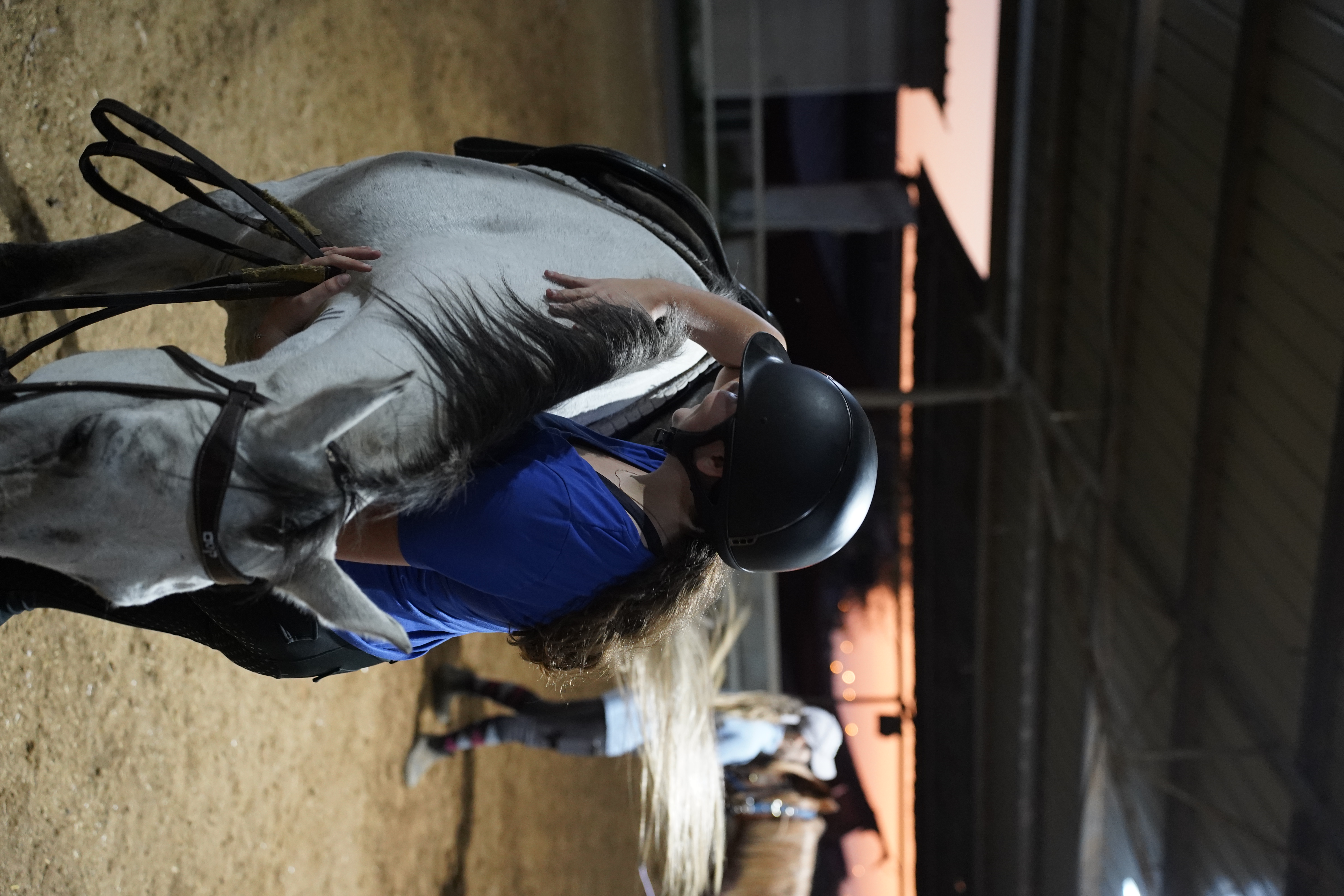
הסוסים הם עמוד השדרה של מרכז תלמים. שבעה סוסים מאומנים לרכיבה טיפולית עובדים כל יום עם ילדים ומבוגרים בעלי צרכים מיוחדים. אבל הטיפול בעזרת סוסים לא מסתכם ברכיבה.
במשעולים מקיימים שלושה סוגים עיקריים של טיפול בעזרת סוסים:
- רכיבה טיפולית: פעילות על גב הסוס המכוונת לשיפור פיזי — שיווי משקל, חיזוק שרירים, קואורדינציה מוטורית. מתאימה במיוחד לילדים עם שיתוק מוחין ומוגבלויות פיזיות.
- היפותרפיה: טיפול פיזיותרפי מתקדם על גב הסוס, המבוצע על ידי פיזיותרפיסט מוסמך. מתמקד בוויסות טונוס שרירי ושיפור תפקוד מוטורי.
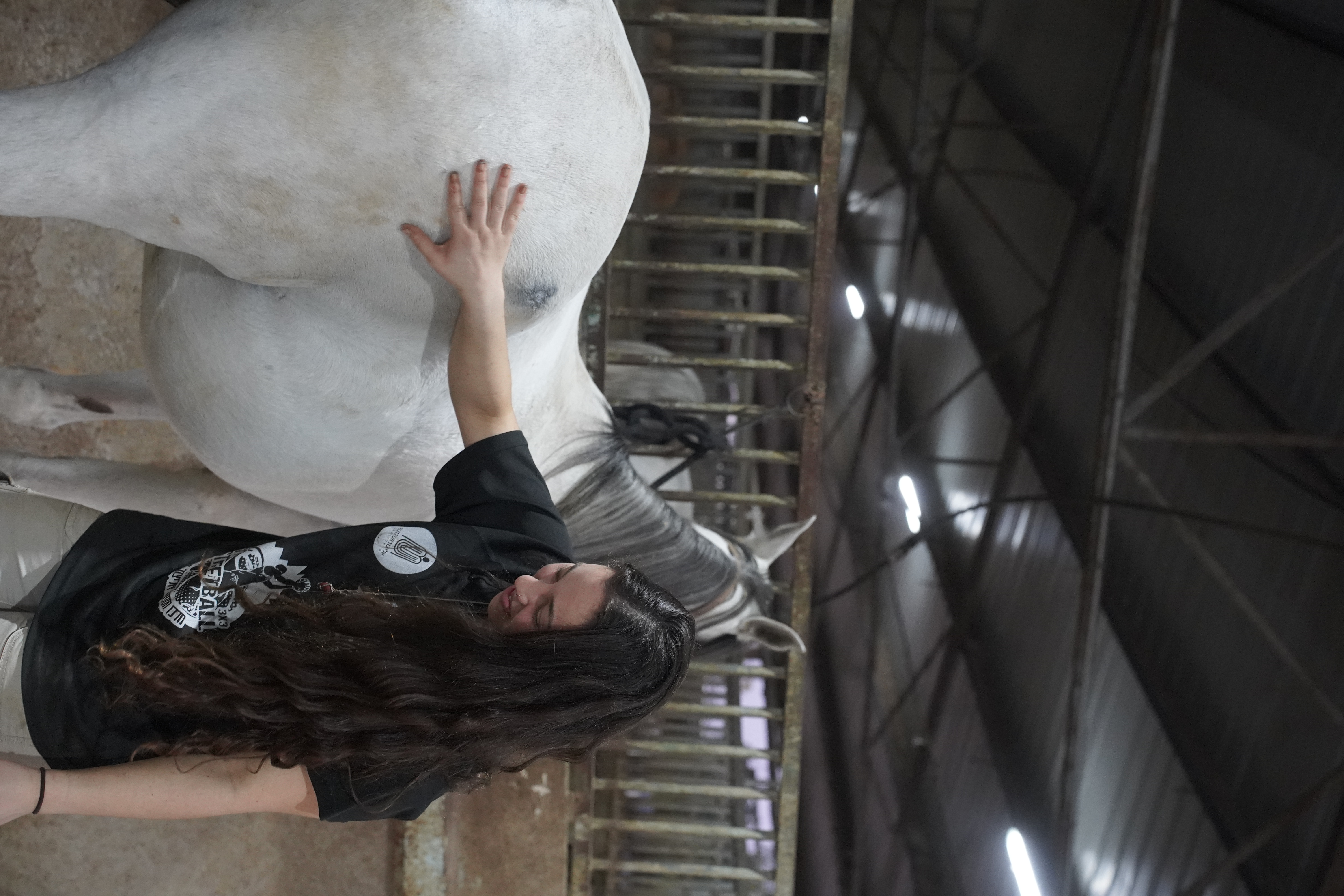
- פסיכותרפיה בסיוע סוסים: טיפול רגשי-נפשי שבו הסוס משמש כמדיום. המטופל לא בהכרח רוכב — הוא עשוי להוביל את הסוס, לטפח אותו, או פשוט להיות לצדו. הסוס, כיצור רגיש ולא שיפוטי, משמש כמראה רגשית.
הכלבים: מרכז ״דרך הכלב״
מרכז ״דרך הכלב״ הוא מרכז ייחודי בישראל המשלב שני עולמות: הכשרת כלבי שירות (לברדורים) וטיפול בעזרת כלבים. הרעיון גאוני בפשטותו — תהליך ההכשרה של הכלב הוא בעצמו כלי טיפולי.
נוער בסיכון, צעירים עם מוגבלויות, ובני שירות לאומי משתתפים באילוף הכלבים. הם מלמדים אותם פקודות, מטיילים איתם, מאכילים ומטפלים. בתהליך, הם לומדים אחריות, עקביות, סבלנות, ותקשורת לא מילולית.
הקשר בין אדם לכלב הוא מהחזקים ביותר בעולם החי. כלב לא שופט, לא מבקר, ומגיב בשמחה בלתי מותנית. עבור מי שעולמו התערער — בגלל טראומה, בעיות נפשיות, או קשיים חברתיים — הכלב מציע בסיס של אהבה ללא תנאי.
חיות הבר: מרכז ״עופר״
מרכז עופר הוא אולי המפתיע מכולם. כאן, ילדים פוגשים חיות שלא יפגשו בשום מקום אחר — תוכים צבעוניים שיושבים על הכתף, ארנבות שמתכרבלות בחיק, עזים ידידותיות שמבקשות ליטופים, ולפעמים גם נחשים.
כן, נחשים. זה נשמע מפחיד, אבל בדיוק בזה טמונה העוצמה הטיפולית. כשילד שמפחד מכל דבר חדש מצליח להחזיק נחש לא ארסי — הוא חווה ניצחון אישי עצום. הפחד הופך לאומץ, החשש הופך לסקרנות.
מרכז עופר פועל בשיתוף עם רשות הטבע והגנים. חלק מהחיות הן חיות בר ששוקמו לאחר פציעה ואינן יכולות לחזור לטבע. כך הילדים לומדים גם על שימור טבע ואחריות סביבתית.
למה חיות שונות עוזרות לאוכלוסיות שונות?
המדע מאחורי זה מרתק:
- סוסים — גודלם והכוח שלהם מתאימים לעבודה על שליטה, ביטחון עצמי, וגבולות. הסוס דורש מהמטופל להיות נוכח ומודע — אי אפשר ״לזייף״ מול סוס.
- כלבים — החום, הנאמנות והשמחה שלהם מתאימים לבניית קשר, הורדת חרדה, ושיפור מצב רוח. כלב מגיב לרגש, ולכן מתאים במיוחד לטיפול רגשי.
- חיות קטנות (ארנבות, שרקנים) — רכות ועדינות. מתאימות לוויסות חושי — מגע רך מרגיע את מערכת העצבים, מוריד דופק, ויוצר תחושת ביטחון.
- חיות ״מפחידות״ (נחשים, לטאות) — עוזרות להתמודד עם פחדים, לפתח גמישות מחשבתית, ולבנות חוסן. כשהפחד מתגלה כלא מוצדק, המטופל לומד שיעור על הנחות שגויות — גם בחיים.
- ציפורים — צבעוניות, קולניות, ומשעשעות. מתאימות לשיפור ריכוז, עבודה על סבלנות, ויצירת שמחה פשוטה.
סיפורים מהשטח
א׳, ילד בן תשע על הספקטרום האוטיסטי, הגיע למשעולים כשהוא כמעט לא מדבר. המילים היחידות שלו היו ״כן״ ו״לא״. אחרי שלושה חודשים של עבודה עם סוס בשם לונה, הוא אמר למדריך שלו: ״לונה רוצה תפוח.״ זה היה המשפט הראשון שלו. היום, שנתיים אחר כך, א׳ מדבר בשוטף ומשתתף בשיעורים רגילים בבית הספר.
ד׳, לוחם בן 28 שחזר מהמילואים עם PTSD, לא הצליח לישון ולא יצא מהבית. חבר הפנה אותו למשעולים. בשבועות הראשונים, ד׳ רק ישב ליד הכלבים בשתיקה. הוא לא דיבר, לא השתתף — רק ישב. אחרי חודש, הוא התחיל ללטף. אחרי חודשיים, הוא התנדב לאלף גורים. ״הכלבים לא שואלים אותי מה קרה שם,״ הוא אמר. ״הם פשוט שמחים שאני פה. ולפעמים זה מספיק.״
״כל חיה היא שפה טיפולית שונה. הסוס מדבר בשפת הכוח והביטחון. הכלב מדבר בשפת האהבה. הארנב מדבר בשפת העדינות. ואנחנו — אנחנו מתרגמים.״
הטיפול בעזרת בעלי חיים אינו טרנד חולף. הוא מבוסס על עשרות שנים של מחקר, על אלפי שנים של קשר בין אדם לחיה, ועל האמונה הפשוטה שהטבע מרפא. במשעולים, האמונה הזו הופכת למציאות — כל יום, כל מפגש, כל מגע.
When people hear "animal-assisted therapy," they usually picture a nice dog comforting a child in a hospital. And that's true — but it's just the beginning. At Misholim, the world of animal-assisted therapy includes an astonishing variety of creatures, each bringing entirely different therapeutic tools.
Horses: The Flagship of Misholim
Horses are the backbone of the Tlamim Center. Seven horses trained for therapeutic riding work daily with children and adults with special needs. But equine-assisted therapy goes far beyond riding.
At Misholim, three main types of equine therapy are practiced:
- Therapeutic riding: Activity on horseback aimed at physical improvement — balance, muscle strengthening, motor coordination. Especially suited for children with cerebral palsy and physical disabilities.
- Hippotherapy: Advanced physiotherapy on horseback, performed by a certified physiotherapist. Focuses on muscle tone regulation and motor function improvement.
- Equine-assisted psychotherapy: Emotional-psychological therapy where the horse serves as a medium. The patient doesn't necessarily ride — they may lead the horse, groom it, or simply be by its side. The horse, as a sensitive and non-judgmental creature, serves as an emotional mirror.
Dogs: The "Derech HaKelev" Center
The "Derech HaKelev" (Way of the Dog) center is unique in Israel, combining two worlds: training service dogs (Labradors) and dog-assisted therapy. The idea is brilliant in its simplicity — the dog's training process itself becomes a therapeutic tool.
At-risk youth, young people with disabilities, and national service volunteers participate in training the dogs. They teach commands, walk them, feed and care for them. In the process, they learn responsibility, consistency, patience, and nonverbal communication.
The bond between a person and a dog is one of the strongest in the animal kingdom. A dog doesn't judge, doesn't criticize, and responds with unconditional joy. For someone whose world has been shaken — by trauma, mental health issues, or social difficulties — the dog offers a foundation of unconditional love.
Wildlife: The "Ofer" Center
The Ofer center is perhaps the most surprising of all. Here, children encounter animals they wouldn't meet anywhere else — colorful parrots that sit on their shoulders, rabbits that curl up in laps, friendly goats that ask for pets, and sometimes even snakes.
Yes, snakes. It sounds scary, but that's exactly where the therapeutic power lies. When a child who fears everything new manages to hold a non-venomous snake — they experience an enormous personal victory. Fear transforms into courage, hesitation into curiosity.
The Ofer center operates in partnership with the Israel Nature and Parks Authority. Some of the animals are wildlife that was rehabilitated after injury and cannot return to nature. This way, children also learn about nature conservation and environmental responsibility.
Why Do Different Animals Help Different Populations?
The science behind it is fascinating:
- Horses — Their size and power are suited for working on control, self-confidence, and boundaries. A horse demands that the patient be present and aware — you can't "fake it" with a horse.
- Dogs — Their warmth, loyalty, and joy are suited for building connection, reducing anxiety, and improving mood. A dog responds to emotion, making them especially suited for emotional therapy.
- Small animals (rabbits, guinea pigs) — Soft and gentle. Suited for sensory regulation — soft touch calms the nervous system, lowers heart rate, and creates a sense of security.
- "Scary" animals (snakes, lizards) — Help confront fears, develop cognitive flexibility, and build resilience. When fear turns out to be unjustified, the patient learns a lesson about false assumptions — in life too.
- Birds — Colorful, vocal, and entertaining. Suited for improving concentration, working on patience, and creating simple joy.
Stories from the Field
A., a nine-year-old boy on the autism spectrum, arrived at Misholim barely speaking. His only words were "yes" and "no." After three months of working with a horse named Luna, he told his instructor: "Luna wants an apple." It was his first sentence. Today, two years later, A. speaks fluently and participates in regular classes at school.
D., a 28-year-old combat soldier who returned from reserve duty with PTSD, couldn't sleep and wouldn't leave his house. A friend referred him to Misholim. In the first weeks, D. just sat near the dogs in silence. He didn't speak, didn't participate — just sat. After a month, he started petting them. After two months, he volunteered to train puppies. "The dogs don't ask me what happened there," he said. "They're just happy I'm here. And sometimes that's enough."
"Each animal is a different therapeutic language. The horse speaks the language of strength and confidence. The dog speaks the language of love. The rabbit speaks the language of gentleness. And we — we translate."
Animal-assisted therapy isn't a passing trend. It's based on decades of research, thousands of years of the human-animal bond, and the simple belief that nature heals. At Misholim, that belief becomes reality — every day, every encounter, every touch.
גלו את התוכניות שלנוDiscover Our Programs
מעוניינים לשמוע עוד על הטיפול בעזרת בעלי חיים במשעולים? צרו קשר ונשמח לספרInterested in learning more about animal-assisted therapy at Misholim? Get in touch and we'd love to share
צרו קשרContact Us